Cryptographic Audits: Their Effect on Multiplier Chain Dynamics in Shared Jackpot Systems
Written by Cameron Griffin · Sep 8, 2026
Cryptographic Audits: Their Effect on Multiplier Chain Dynamics in Shared Jackpot Systems
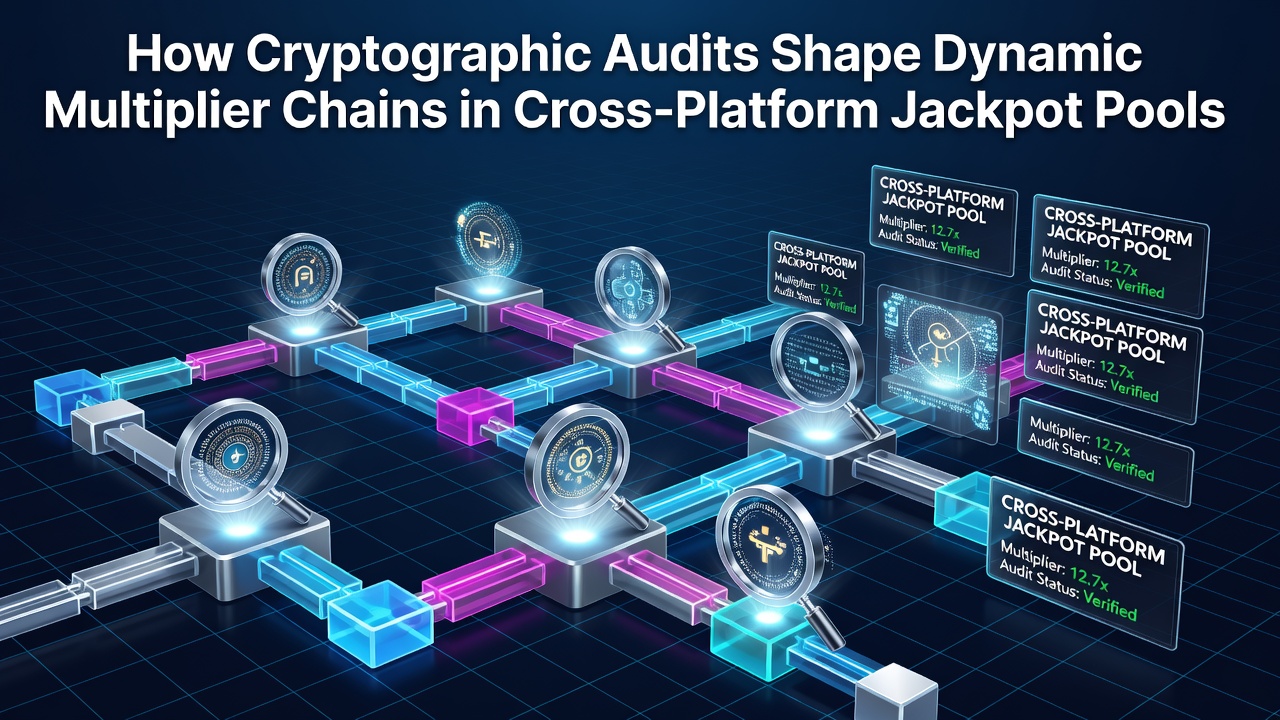
Developments in cryptographic verification have altered how multiplier chains operate inside cross-platform jackpot pools, where contributions from multiple operators feed into unified prize structures. Researchers have examined these systems since early implementations, and data from industry reports show that audit protocols now verify random number generation alongside multiplier calculations at each step of the chain. According to findings from the Gaming Standards Association, verification routines run at fixed intervals to confirm that dynamic multipliers reflect accurate bet aggregation across platforms without introducing discrepancies.
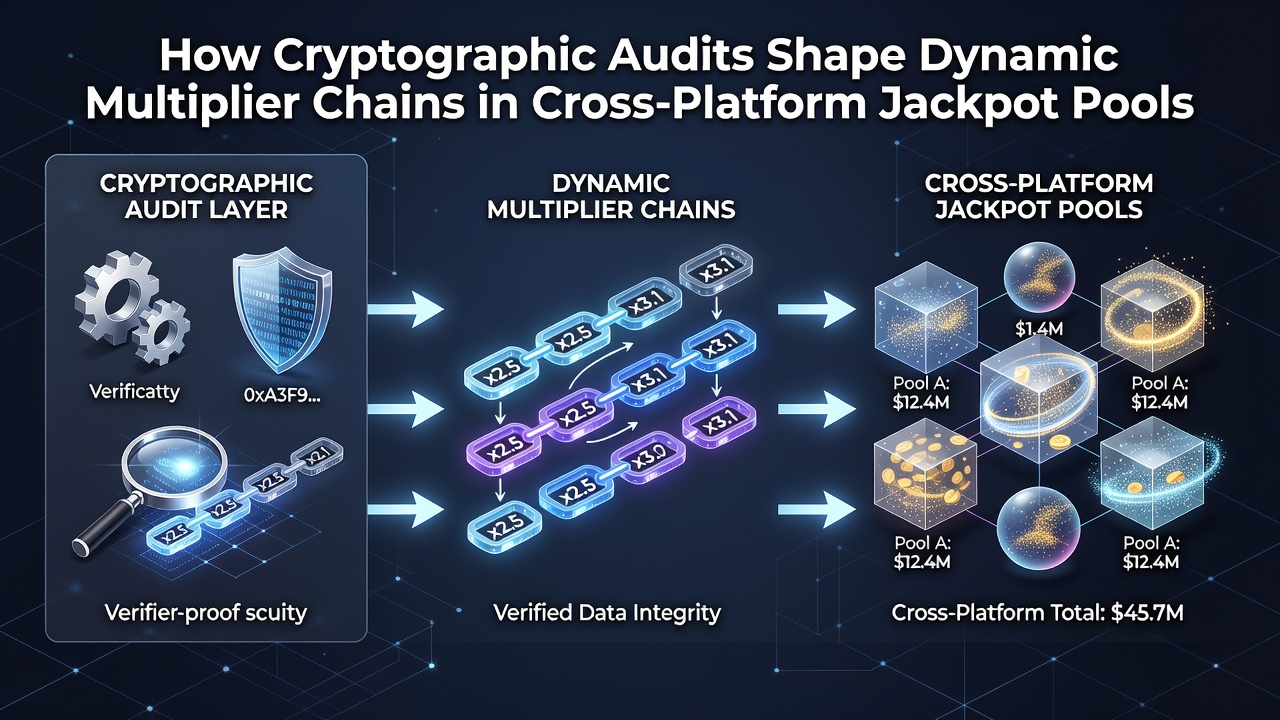
Operators connect their slot networks through centralized pooling engines, and cryptographic audits inspect the hash chains that record every increment. These checks use zero-knowledge proofs in many deployments, which allow third-party reviewers to validate outcomes while keeping underlying algorithms private. Studies from academic institutions have documented that such methods reduce the window for undetected alterations, and evidence from 2025 deployments indicates audit cycles now complete in under four minutes on average.
Mechanics of Dynamic Multiplier Chains
Multiplier chains grow when pooled bets reach predetermined thresholds, and cryptographic audits confirm each growth stage matches the agreed formula. The process begins with seed values generated from multiple independent sources, then proceeds through successive hash functions that produce the next multiplier tier. Observers note that this layered approach creates verifiable sequences, since any break in the chain triggers an immediate flag during routine scans. In September 2026, several major platforms reported full integration of real-time audit nodes that monitor these sequences continuously rather than at batch intervals.
Cross-platform aggregation adds complexity because each participating operator maintains separate ledgers that must reconcile with the shared pool. Audit tools reconcile transaction logs by comparing encrypted signatures, and researchers have found that mismatches appear in less than 0.02 percent of audited cycles when proper protocols remain in place. This low discrepancy rate supports continued expansion of shared pools into new markets.
Role of Regulatory and Technical Standards
Technical standards bodies have published guidelines that require cryptographic audits before any multiplier adjustment takes effect. These standards specify the use of elliptic curve cryptography for signature verification and mandate that audit reports remain accessible to participating operators for at least 90 days. Data released by the Australian Gambling Research Centre shows that jurisdictions adopting these standards recorded fewer disputes over jackpot distributions between 2024 and 2026.
Engineers design the audit layers to operate independently of the main game servers, which prevents any single point of failure from affecting both gameplay and verification. When an audit detects an anomaly, the system isolates the affected multiplier segment and recalculates from the last verified checkpoint. People who manage these networks report that such isolation limits downtime to seconds rather than minutes, preserving player trust across the connected platforms.
Integration Challenges and Solutions
Platform operators face integration challenges when aligning legacy random number generators with newer cryptographic audit requirements. Solutions often involve middleware layers that translate between older game logic and modern verification protocols. Case studies from Canadian provincial systems illustrate that phased rollouts, completed over six-month periods, allowed operators to maintain continuous jackpot availability while upgrading audit capabilities.
Encryption overhead remains a consideration, yet benchmarks published in technical journals indicate that optimized implementations add less than 3 percent to transaction processing times. Those who oversee cross-platform pools have adopted hardware security modules to accelerate signature checks, and the resulting performance gains have offset most of the added computational load.
Future Directions in Audit Technology
Emerging techniques such as post-quantum cryptographic signatures are under evaluation for future multiplier chain protections. Laboratory tests conducted by university research groups have demonstrated that these signatures maintain verification speed while resisting potential quantum computing threats. Implementation timelines vary by region, but several networks have scheduled pilot programs for late 2026.
Continued refinement of audit frequency and scope will likely determine how quickly new platforms can join existing pools. Evidence collected from current deployments suggests that standardized audit templates accelerate onboarding by providing clear compliance checkpoints for incoming operators.
Conclusion
Cryptographic audits have become integral to the reliable function of dynamic multiplier chains within cross-platform jackpot pools. Verification processes now operate at multiple layers, confirming both individual contributions and aggregate multiplier growth. As technical standards evolve and new cryptographic methods undergo testing, the architecture supporting shared jackpots continues to adapt while preserving the integrity of prize calculations across connected systems.